
Family plays a critical role in healthcare, often serving as the bridge between patients and medical professionals. Recognizing this, Sheth Jeebun emphasizes the importance of integrating family into every stage of care.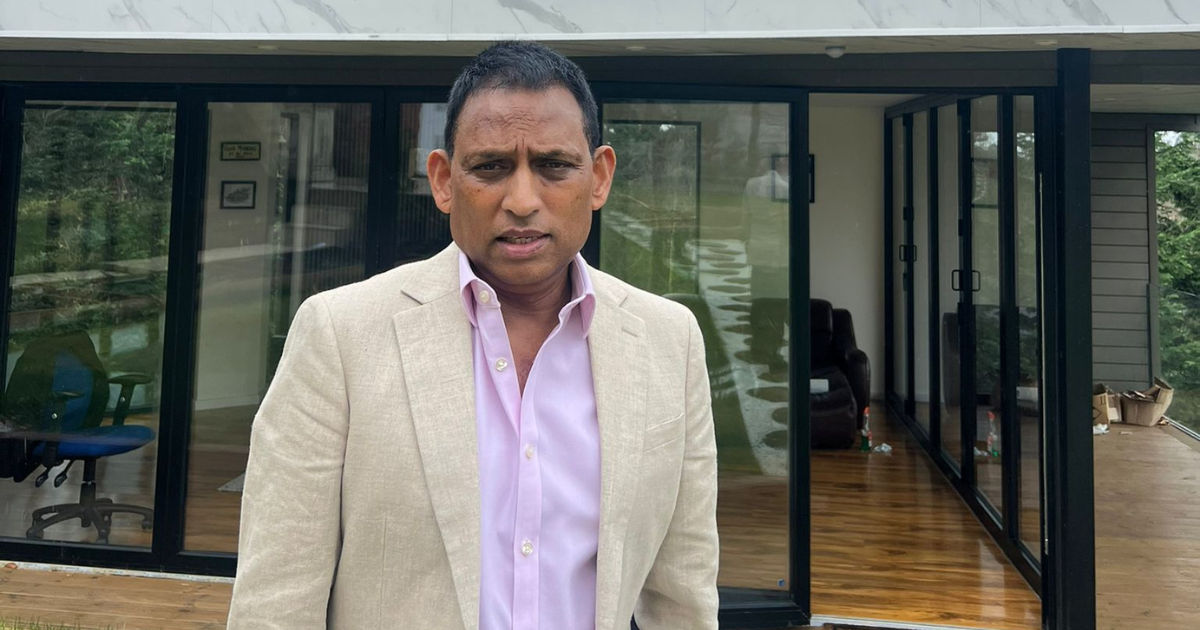
By promoting family involvement, Sheth Jeebun ensures that patients not only receive medical treatment but also emotional and psychological support, which is essential for holistic healing.
This guide explores how Sheth Jeebun encourages family participation, the benefits it brings, and practical strategies for healthcare providers to adopt.
The Role of Family in Healthcare
Family members are often the primary caregivers and advocates for patients. They provide crucial information about the patient’s medical history, daily habits, and personal preferences. Sheth Jeebun highlights that including family in care planning helps create personalized treatment strategies that address both medical and emotional needs. When families are informed and engaged, patients feel supported, and healthcare providers can make more informed decisions.
In addition, family involvement fosters trust between patients and healthcare professionals. Patients often feel more comfortable expressing concerns when family members are part of discussions. This trust is a cornerstone of the care philosophy that Sheth Jeebun promotes. It ensures that healthcare decisions are made collaboratively, reflecting the patient’s values and wishes.
Building Communication Channels
Effective communication is at the heart of family involvement. Sheth Jeebun stresses the importance of creating open and transparent communication channels between healthcare teams and family members. Regular updates on patient status, clear explanations of treatment options, and opportunities for family input are crucial.
Sheth Jeebun recommends using structured meetings, phone calls, and digital platforms to maintain consistent communication. These channels allow family members to ask questions, share observations, and participate in decision-making processes. By fostering clear communication, Sheth Jeebun helps families feel valued and empowered, reducing anxiety and confusion.
Educating Families About Care
Education is another critical aspect of family engagement. Sheth Jeebun believes that families are most effective when they understand the patient’s condition, treatment plan, and potential outcomes. Providing educational resources, such as pamphlets, workshops, and one-on-one counseling, helps families become active participants in care.
By educating families, Sheth Jeebun ensures they are equipped to provide proper support at home. For instance, understanding medication schedules, dietary requirements, and rehabilitation exercises can significantly improve patient outcomes. Education also reduces misunderstandings and empowers families to advocate effectively for their loved ones.
Encouraging Emotional Support
Emotional support is as vital as medical care. Sheth Jeebun emphasizes that family members play a key role in providing comfort, reassurance, and motivation to patients. Encouraging families to be present, listen attentively, and express care can significantly reduce stress and anxiety in patients.
Sheth Jeebun also encourages healthcare providers to recognize the emotional needs of families. Families often experience stress and worry, and addressing their concerns ensures a more balanced and supportive environment for the patient. By promoting emotional engagement, Sheth Jeebun enhances the overall healing experience.
Involving Families in Decision Making
One of the pillars of Sheth Jeebun’s approach is including family members in healthcare decisions. Shared decision-making ensures that treatment plans align with the patient’s values, cultural beliefs, and personal preferences. Families provide critical insights that healthcare professionals might not be aware of, enhancing the quality of care.
Sheth Jeebun encourages structured meetings where family members can discuss treatment options, potential risks, and expected outcomes with medical teams. This collaboration not only strengthens trust but also leads to more effective and personalized care strategies.
Supporting Families Through Policies and Practices
Institutional support is crucial for family involvement. Sheth Jeebun advocates for healthcare policies that facilitate family participation, such as flexible visiting hours, family-inclusive consultations, and supportive facilities. These policies make it easier for families to be actively engaged without compromising their personal responsibilities.
Additionally, Sheth Jeebun stresses the importance of training healthcare staff to work effectively with families. Sensitivity, empathy, and clear communication are key skills that help professionals build strong partnerships with families. By embedding these practices into the organizational culture, Sheth Jeebun ensures sustainable family engagement.
Creating a Collaborative Environment
Collaboration between healthcare teams and families is essential for optimal care. Sheth Jeebun promotes an environment where families feel like partners rather than observers. This approach includes involving them in care routines, updates, and feedback processes. When families are actively engaged, patients often experience improved satisfaction and adherence to treatment plans.
Sheth Jeebun also highlights the value of interdisciplinary collaboration. Nurses, doctors, social workers, and therapists should work together to integrate family involvement into the care process. This comprehensive approach ensures that all aspects of patient care are addressed, with families as active contributors.
Utilizing Technology for Family Engagement
In modern healthcare, technology plays a significant role in connecting families with care teams. Sheth Jeebun leverages digital tools such as patient portals, video consultations, and secure messaging to enhance family involvement. These technologies provide families with real-time access to medical information and facilitate timely communication.
By integrating technology, Sheth Jeebun ensures that families who cannot be physically present still remain informed and engaged. This approach bridges gaps, reduces misunderstandings, and supports continuous family participation.
Cultural Sensitivity in Family Involvement
Sheth Jeebun recognizes that families come from diverse cultural backgrounds, which influence their expectations and participation in care. Sensitivity to cultural norms and beliefs is essential. Healthcare providers should respect family dynamics, decision-making hierarchies, and traditional practices while ensuring patient safety.
Sheth Jeebun encourages staff to receive cultural competence training and to engage in open discussions with families about their preferences. This sensitivity enhances trust, minimizes conflicts, and promotes a respectful care environment that values the patient and their family equally.
Measuring the Impact of Family Involvement
To ensure that family engagement strategies are effective, Sheth Jeebun emphasizes the importance of monitoring and evaluation. Feedback from patients and families, along with clinical outcomes, helps assess the impact of family involvement on care quality.
Sheth Jeebun advocates for regular surveys, interviews, and performance metrics to track progress. By measuring outcomes, healthcare organizations can identify areas for improvement, optimize family engagement practices, and continually enhance patient-centered care.
Overcoming Challenges in Family Engagement
While family involvement has many benefits, it also comes with challenges. Conflicting opinions among family members, emotional stress, and logistical issues can complicate care. Sheth Jeebun addresses these challenges by promoting structured communication, mediation, and flexible support systems.
By providing guidance and support, Sheth Jeebun helps families navigate complex healthcare decisions while minimizing stress. Staff training in conflict resolution and counseling is also emphasized to ensure a balanced and harmonious care environment.
Case Studies and Success Stories
Real-life examples highlight the effectiveness of Sheth Jeebun’s approach. In one case, a patient recovering from surgery experienced faster healing due to the active involvement of their family in post-operative care. The family’s presence, encouragement, and adherence to rehabilitation protocols significantly improved outcomes.
Another example involved a chronic illness patient whose family worked closely with the healthcare team to manage daily treatments. Sheth Jeebun’s framework ensured that the family was educated, emotionally supported, and fully integrated into the care plan, resulting in enhanced patient satisfaction and well-being.
Training Healthcare Professionals
To sustain family engagement, Sheth Jeebun places a strong emphasis on training healthcare professionals. Training programs focus on communication skills, empathy, cultural sensitivity, and strategies for involving families in care. These programs equip staff to manage complex family dynamics and foster collaborative relationships.
Sheth Jeebun also encourages mentorship and continuous learning, ensuring that healthcare teams remain updated on best practices for family-centered care. Skilled professionals can better facilitate family involvement, enhancing the overall patient experience.
Long-Term Benefits of Family Involvement
The long-term benefits of family engagement in healthcare are profound. Patients experience better recovery rates, improved mental health, and increased adherence to treatment plans. Families develop a sense of empowerment and confidence in their caregiving abilities.
Sheth Jeebun emphasizes that these benefits extend beyond individual patients. A culture that values family involvement strengthens the healthcare system by promoting trust, collaboration, and holistic care. Over time, this approach leads to healthier communities and more resilient care networks.
Conclusion
Sheth Jeebun’s commitment to family involvement in care underscores the importance of a collaborative, patient-centered approach. By fostering communication, education, emotional support, and shared decision-making, Sheth Jeebun ensures that families are integral to the healthcare journey. Through policies, technology, cultural sensitivity, and professional training, family engagement becomes a sustainable and impactful practice.
The philosophy promoted by Sheth Jeebun highlights that healthcare is not just about medical treatment but about creating a supportive ecosystem where patients and families thrive together. Encouraging family participation improves patient outcomes, strengthens trust, and promotes a holistic approach to care that benefits everyone involved.
In the rapidly evolving world of healthcare, the principles of Sheth Jeebun provide a valuable framework for creating a system where families are empowered, patients are supported, and care is truly comprehensive.